347-727-7200
 Get Consultation
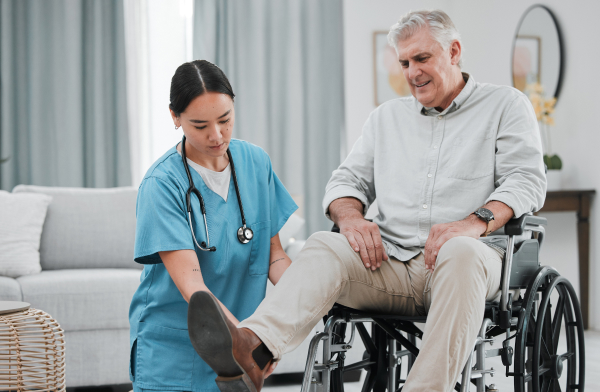
Home care, live-in care, and personal care all help seniors stay safe and comfortable at home, but each type of care provides a different level of support. Before choosing a service, it is important to understand what each one actually includes and how much help your loved one truly needs.
Live-in care means a trained caregiver lives in the same home as your loved one and supports them day and night. This service is best for seniors who need full-time supervision and safety.
Personal care provides hands-on help with daily hygiene and physical tasks, but does not include an overnight stay.
Home care primarily involves providing general non-medical support, such as housekeeping and companionship. It is not heavily focused on physical care.
| Feature | Live-In Care | Personal Care | Homecare |
|---|---|---|---|
| Caregiver stays overnight | Yes | No | No |
| Support hours | 24/7 | Limited hours | Limited hours |
| Best for | High care needs | Moderate needs | Light support |
| Help with bathing & hygiene | Yes | Yes | Sometimes |
| Housekeeping | Light | Light | Yes |
| Companionship | Strong | Moderate | Strong |
| Safety monitoring | All day & night | During visits | Basic |
| Good for dementia | Yes | Sometimes | No |
Choose live-in care for full-time support, personal care for daytime hygiene assistance, or home care for light support and companionship.
Tri-Med Home Care Services provides reliable, personalized live-in care for your family members, ensuring they stay safe, comfy, and independent in their own homes. Our experienced caregivers are here to help 24/7 with daily tasks, reminding you to take your meds, whipping up meals, doing some light cleaning, and checking in on your safety.
Each care plan is tailored to your family’s unique needs, ensuring the right level of support is always provided. We provide continuous supervision to help reduce family stress, thereby supporting recovery after hospital stays and preventing falls.
With the right care plan, your loved one can remain comfortable, safe, and happy in their own home.
Live-in care, personal care, and home care services help the elderly stay safe, independent, and supported in their own homes, but each has a different level of care. While live-in care offers full-time supervision, personal care focuses on assisting with hygiene and daily tasks, and home care provides a lighter level of support and companionship.
The type of service needed will depend on your loved one’s individual daily needs, health status, safety risks, and desired level of independence.
Whether you need full 24-hour coverage or part-time assistance, depending on your or your loved one’s schedule, Tri-Med Home Care Services has a solution that matches your needs. We proudly serve Queens, Brooklyn, the Bronx, Manhattan, Staten Island, Nassau County, and Suffolk County with professional, compassionate care.
1. Is live-in care the same as 24-hour care?
No. Live-in care means one caregiver stays in the home and needs rest breaks. 24-hour care uses two or more caregivers in shifts, with no downtime.
2. How do I know if my loved one needs live-in care?
If they fall often, forget medications, wander, or cannot stay safe alone, live-in care is usually the best and safest option.
3. Can home care include personal care tasks?
In most cases, home care covers only light tasks, such as meals, laundry, and companionship. Hands-on tasks, such as bathing, usually fall under personal care.
4. Are caregivers trained?
Yes, live-in and personal care caregivers are trained in daily care, safety, mobility assistance, and understanding senior needs.
5. Is live-in care more affordable than a nursing home?
For many families, yes. Live-in care can often be less than full-time facility care, especially when only one resident requires support.