347-727-7200
 Get Consultation
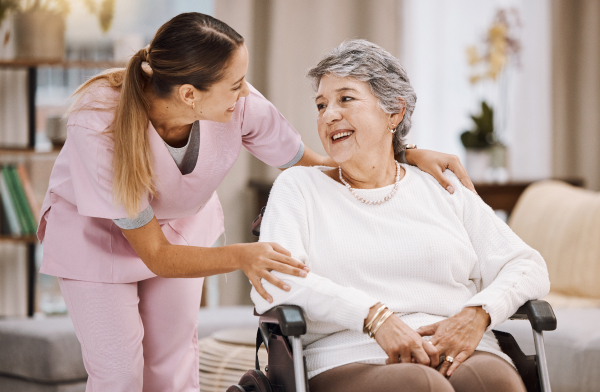
Seniors need companion care to help them stay safe, happy, and independent at home. Companion care gives emotional support, social connection, and help with simple daily tasks. It is a reliable service when a senior does not need medical care but still needs someone to be with them, guide them, and keep them engaged.
This blog explains what companion care services mean, how they compare to personal care and live-in care, who needs them, and why they are important for senior health.
Companion care is non-medical assistance for seniors who can complete most tasks independently but feel lonely or unsafe, or who require reminders and some light assistance.
1. To Reduce Loneliness and Isolation
Many seniors live alone. They may feel sad, bored, or disconnected. A companion becomes a friend they see regularly.
2. To Improve Mental Health
Social connection helps reduce stress, confusion, and depression. Talking daily keeps the brain active.
3. To Stay Safe at Home
A companion can notice changes in behavior, memory, or mood. They can prevent falls by keeping the home tidy and safe.
4. To Maintain a Daily Routine
Seniors often forget meals, medicines, or appointments. A companion helps keep their day organized.
5. To Support Seniors Who Don’t Need Personal Care
Some seniors don’t need help with bathing, dressing, or medical care—but they still want company and small support.
6. To Give Family Caregivers a Break
Companion care helps children and family members who feel stressed or busy. It ensures someone is checking in on their loved one.
| Service Type | What It Includes | Best For | Key Support |
|---|---|---|---|
| Companion Care | Social support, light tasks, reminders, safety checks | Seniors who are independent but lonely or need light help | Emotional support and basic daily help |
| Personal Care | Bathing, dressing, grooming, toileting, mobility help | Seniors needing hands-on physical support | Direct personal care tasks |
| Live-In Care | 24-hour caregiver presence at home | Seniors needing constant supervision or who live alone | Safety + personal care + companionship all day/night |
So,
If 3–4 of these signs are true, companion care is a practical option.
1. Morning and Evening Routine Support
Helping the senior start and end the day calmly.
2. Healthy Meal Prep
Seniors often skip meals. Companions help plan and prepare simple, healthy dishes.
3. Medication Reminders
They remind you when to take pills (no medical handling).
4. Safe Home Environment
Removing clutter, cleaning small areas, and organizing items.
5. Emotional Support
Talking, listening, staying positive, and supporting seniors emotionally.
6. Activity Engagement
Games, music, exercise, puzzles, and reading—keeping the mind and body active.
Social Benefits
Physical Benefits
Mental Benefits
Family Benefits
Companion care works best for seniors who:
A trained companion caregiver provides safer, more reliable support.
Tri-Med Home Care makes senior care simple, safe, and comfortable by offering services in the languages families speak at home. Communication builds trust, so our caregivers reflect your community with support available in English, Español, Hindi, Punjabi, Gujarati, Urdu, Creole, and more. Seniors feel heard, respected, and understood.
We provide home health aide support, personal care, companion care services & live-in care, case management, nutrition & wellness support, and social adult day care. For individuals on NHTD & TBI Waiver programs, we help with daily tasks, safety, community integration, documentation, and communication with your case manager.
Tri-Med stands out because we offer:
Seniors need companion care services to stay emotionally strong, socially connected, and safe at home. It is the right choice when a senior does not require hands-on care but still needs support, friendship, and routine help. Companion care brings peace of mind for families and a happier daily life for seniors.
With same-day assessments, skilled caregivers, and multilingual support, Tri-Med Home Care helps seniors stay safe at home with dignity.